

Rhinoplasty is a surgical procedure that reshapes the nose. (1)
Many turn to rhinoplasty for either aesthetic or functional purposes. (2) Rhinoplasty is highly popular, largely due to its effective ability to help patients achieve the nose that looks or functions the way they desire. However, any surgical procedure is bound to come with a recovery period. If you are interested in pursuing a rhinoplasty, it is vital that you not only understand what the recovery process entails but also that you seek treatment from an experienced professional who will guide you throughout the process.
At Harley Surgery, Dr Riccardo Frati and his team provide world-class support throughout the entire rhinoplasty process, with an emphasis on safety, patient education, and predictable results. Known for his advanced surgical skill and meticulous aftercare protocols, Dr Frati helps each patient understand what recovery involves and how to navigate it successfully.
To begin your own rhinoplasty journey with Harley Surgery, you can schedule a personal consultation by contacting one of our two locations either online or by calling:
- Harley Street, London: +44 20 3633 2619
- Manchester: +44 16 1327 2139
Contents
- 1 Before and After Photos
- 2 About Rhinoplasty Recovery
- 3 Benefits
- 4 Who Needs Rhinoplasty Recovery Guidance?
- 5 Personal Consultation
- 6 Preparation
- 7 Procedure
- 8 Recovery
- 9 Results
- 10 Cost of Rhinoplasty Recovery and Surgery in Harley Street, London & Manchester
- 11 FAQ
- 11.1 How long will swelling last after rhinoplasty?
- 11.2 Can I wear glasses after rhinoplasty?
- 11.3 Will I have a scar from rhinoplasty?
- 11.4 When can I work out after rhinoplasty?
- 11.5 Will my rhinoplasty results look natural?
- 11.6 What if I am not happy with the outcome of my rhinoplasty?
- 11.7 Is rhinoplasty recovery painful?
- 12 References
Before and After Photos

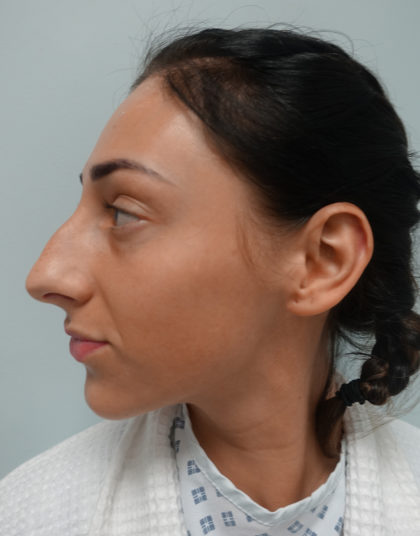
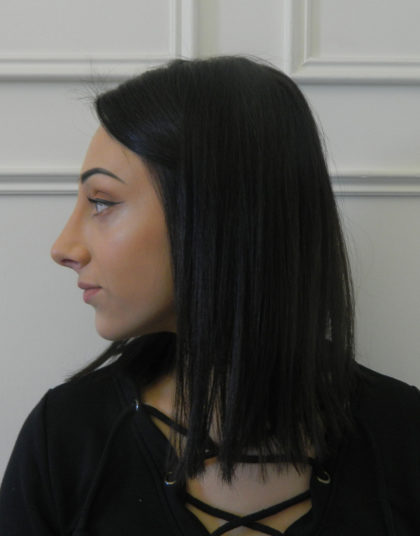
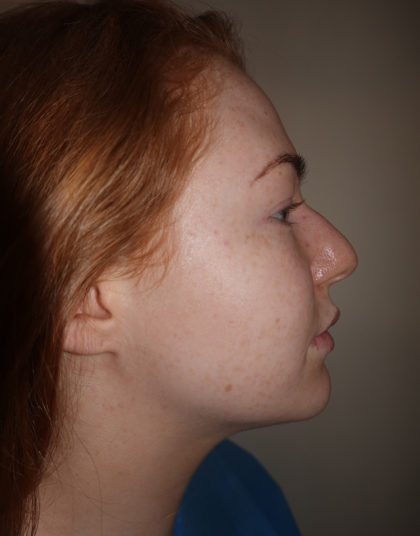
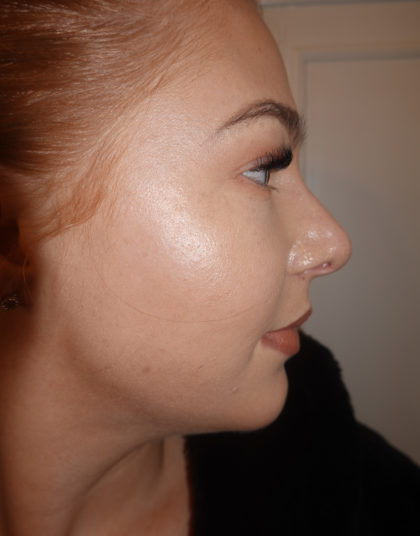
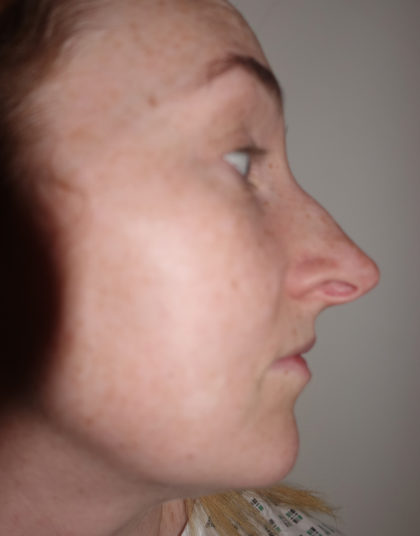
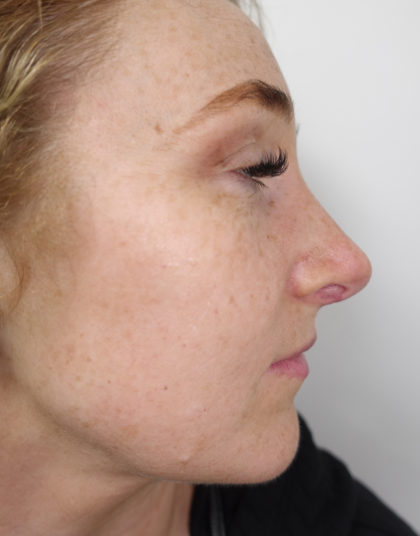
About Rhinoplasty Recovery
Rhinoplasty recovery is a multi-phase process that unfolds gradually. While the majority of healing occurs within the first few weeks, internal recovery continues for many months. During this period, patients must follow all post-operative instructions, attend scheduled check-ups, and wait for swelling to subside and the nasal tissues to stabilise, and this should all be done under the supervision of a trusted professional such as Dr Frati.
The speed and details of your recovery will depend on the type of rhinoplasty performed, your skin thickness, overall health, and more. Rhinoplasty procedures are associated with high patient satisfaction rates. (3) Dr Frati provides tailored recovery instructions to each patient and emphasises preventive care, early intervention, and close monitoring to reduce the risk of complications and support a smoother healing timeline.
Benefits
Choosing a trusted professional such as Dr Frati for your rhinoplasty and to guide you through your recovery process offers several key advantages, including:
- Personalised recovery plans designed around your surgical details and anatomy
- Comprehensive post-operative support from a highly experienced team
- Access to advanced scar management protocols and follow-up assessments
- Proactive complication prevention through regular monitoring and prompt adjustments
- Thorough education about what to expect at each stage
Patients who follow Dr Frati’s guidance tend to experience faster healing, more consistent results, and greater satisfaction with their outcomes.
Who Needs Rhinoplasty Recovery Guidance?
Any patient undergoing rhinoplasty will benefit from specialised, guided recovery. However, Dr Frati’s expertise is especially beneficial if you:
- Have recently undergone rhinoplasty or plan to do so in the near future
- Want to ensure your healing process is safe, structured, and properly monitored
- Prefer a highly attentive and experienced surgical aftercare team
- Are committed to following instructions, attending check-ups, and prioritising rest
- Seek natural-looking outcomes that align with your facial proportions
- Are healing from primary rhinoplasty or a revision procedure
Even if you have had surgery elsewhere, Harley Surgery can assist with your post-operative care, especially if you are experiencing delayed healing or unsatisfactory results.
Personal Consultation
Planning your recovery begins before your procedure. During your personal consultation, Dr Frati will discuss your surgical goals, health history, and any previous nasal procedures you may have had. If rhinoplasty has already been performed, he will examine your current healing status, assess any concerns, and review photos or operative notes if available. If surgery is still upcoming, Dr Frati will provide a detailed overview of the expected healing process, including how long it may take, when you will see results, and what to avoid during the early stages of recovery.
He will also recommend specific strategies to support your healing based on your skin type, nasal structure, and overall health. These may include nutritional advice, incision care guidance, medication management, and scheduled follow-ups. His goal is to make your recovery as safe, efficient, and predictable as possible.
To schedule this personal consultation and ensure you receive proper guidance, contact Harley Surgery online or by calling one of our two locations:
- Harley Street, London: +44 20 3633 2619
- Manchester: +44 16 1327 2139
Preparation
One of the best ways to enhance your recovery is to take proper preparation steps. In the weeks leading up to your surgery, Dr Frati may advise you to:
- Stop using any medications or supplements that thin the blood
- Quit smoking and avoid nicotine in all forms
- Refrain from drinking alcohol for at least two weeks before the procedure
- Complete all lab tests, health screenings, or imaging requests
- Pre-arrange transportation home from the surgical facility
- Obtain any necessary prescriptions
- Ensure you have soft foods, ice packs, saline spray, and pillows at home
These steps will give your body the best chance at healing as smoothly and efficiently as possible.
Procedure
Whether your rhinoplasty is open or closed, Dr Frati performs each procedure with precision and artistry. The surgery itself will take place in a fully accredited facility and usually lasts between one and three hours. After sculpting the bone and cartilage, Dr Frati will carefully close the incisions and place a nasal splint to protect your nose during initial healing. You may also have internal supports or packing to maintain structure and reduce swelling during the initial recovery phase. Once the procedure is complete, you will spend a short time in recovery before being released to return home. The real work of healing begins here.
Recovery
The recovery period from rhinoplasty typically includes several overlapping stages, each with its own expectations and instructions:
Week 1:
In the first week after surgery, you can expect noticeable swelling, bruising, and nasal congestion. You will likely be breathing through your mouth and should rest with your head elevated. The nasal splint will remain in place to protect the nose. Most patients feel tired and require support for basic activities like preparing meals or bathing. Dr Frati may prescribe pain relief and decongestants to help you stay comfortable.
Week 2:
At your first follow-up appointment, Dr Frati will likely remove your splint and evaluate your healing progress. Most bruising will begin to fade, though mild swelling will persist. Patients generally feel well enough to return to light work around this time, though you will still need to avoid strenuous activities and heavy lifting.
Weeks 3 to 6:
Swelling will continue to diminish, though subtle puffiness may remain, especially around the nasal tip. You can typically resume light exercise, though activities involving impact, bending, or heavy exertion should still be avoided. You may begin to appreciate early results as your nasal shape becomes more visible.
Months 2 to 6:
The majority of swelling will have subsided, and the nose will begin to settle into its new shape. Dr Frati may recommend scar-minimising treatments or massage protocols. Most patients can resume all normal activities by this stage, including intense physical activity and wearing glasses directly on the nasal bridge.
Months 6 to 12:
Final refinements become visible during this time, and your results will become more stable. Internal healing continues at a slow pace, and your breathing should feel more normal as swelling fully resolves.
Results
Patients treated by Dr Frati can expect results that align closely with their preoperative goals, thanks to his meticulous planning and high level of surgical experience. Your results will appear gradually, becoming more refined as swelling decreases and internal structures adapt to their new shape. These changes are long-lasting and can dramatically improve both your profile and self-confidence. With proper care, the improvements from rhinoplasty can last a lifetime, but this is largely contingent upon taking the healing process seriously.
Cost of Rhinoplasty Recovery and Surgery in Harley Street, London & Manchester
The cost of your rhinoplasty and recovery support will vary based on the complexity of the case, whether functional correction is required, and any prior surgeries. Harley Surgery provides transparent pricing and will review your specific quote during your consultation. If you are seeking recovery care after a rhinoplasty performed elsewhere, contact our team for an evaluation and personalised recommendation.
Contact us today to meet with Dr Frati. If you have any pressing questions or prefer to schedule over the phone, please call our Harley Street, London or Manchester offices at +44 20 3633 2619 or +44 16 1327 2139, respectively.
FAQ
How long will swelling last after rhinoplasty?
Most swelling improves within the first few weeks, but subtle swelling, especially at the tip, can take 6 to 12 months to fully resolve.
Can I wear glasses after rhinoplasty?
You should avoid wearing glasses directly on the bridge of your nose for at least 4 to 6 weeks. Dr Frati may recommend using tape or a support device if glasses are essential during this time.
Will I have a scar from rhinoplasty?
Closed rhinoplasty uses incisions inside the nose and leaves no visible scars. Open rhinoplasty may leave a small scar on the columella, which generally fades with time and care.
When can I work out after rhinoplasty?
Light exercise may resume after two weeks. High-impact activities, contact sports, or lifting weights should be avoided for 4 to 6 weeks or until cleared by your surgeon.
Will my rhinoplasty results look natural?
Yes. Dr Frati prioritises natural-looking outcomes that enhance facial balance without creating an artificial or overdone appearance.
What if I am not happy with the outcome of my rhinoplasty?
Dr Frati will carefully review your concerns and may offer non-surgical corrections or recommend revision surgery if appropriate. In most cases, minor imperfections improve as swelling decreases.
Is rhinoplasty recovery painful?
Discomfort is common in the first few days but is usually well-controlled with prescribed medication. Most patients describe the experience as uncomfortable rather than painful.
References
- Rezaei F, Rezaei F, Abbasi H, Moradi H. A Comparison of Doctor/Patient Satisfaction with Aesthetic Outcomes of Rhinoplasty: a Prospective Study. Journal of Medicine and Life. 2019;12(4):374-380. doi:https://doi.org/10.25122/jml-2019-0061
- Fichman M, Piedra Buena IT. Rhinoplasty. PubMed. Published 2020. https://www.ncbi.nlm.nih.gov/books/NBK558970/
- Ali Goljanian Tabrizi, Matin Ghazizadeh, Zahra Rootivand. Harmonizing Beauty and Function: A Comprehensive Exploration of Patient Satisfaction in Rhinoplasty. WORLD JOURNAL OF PLASTIC SURGERY. 2024;13(1):43-49. doi:https://doi.org/10.61186/wjps.13.1.43